CARGO-SAFE PLUS™ Ultrasonic Hatch Cover and Door Tester
What is CARGO-SAFE PLUS™?
CARGO-SAFE PLUS™ — the dual-purpose ultrasonic tester trusted by marine surveyors worldwide.
Water ingress through defective hatch covers and poorly sealing doors is one of the most common causes of cargo damage at sea. Ship owners, managers and their insurers all have a vested interest in proving that holds stay dry and that accommodation and access doors remain weather-tight — because a single leaking seal can trigger a substantial P&I claim. Regular tightness testing is therefore a cornerstone of responsible vessel maintenance.
The CARGO-SAFE PLUS™ is our ABS Type Approved ultrasonic tightness tester, engineered for surveyors who need to cover more than hatch covers alone. It delivers the same fast, reliable results as the standard CARGO-SAFE™ on bow, stern and side hatch covers, and extends that capability to watertight and weather-tight doors. Unlike hose testing, ultrasonic testing is a single-operator job, leaves no water on deck, no runoff into the dock, and works reliably in sub-zero conditions.

Two instruments in one kit.
Hatch covers, watertight doors and weathertight doors — tested with a single ABS Type Approved system.

What you get with CARGO-SAFE PLUS™
Everything included in the standard CARGO-SAFE™, plus the additional door-testing kit:
- Tripod — stably positions the transmitter at the correct height for door seal testing.
- Adapter plate — gives the transmitter a flat, magnet-compatible surface on the tripod head.
- Magnetic transmitter — built-in magnets let the transmitter attach directly to the adapter plate, or to a nearby steel bulkhead, hands-free. The transmitter is never mounted on the frame of the door under test — it is positioned on the tripod or on an adjacent bulkhead, so the ultrasound travels through the door seal, not along the frame.
- Door-testing microphone lead — a dedicated lead that connects to the receiver for the tighter acoustic environments found around doors, giving more controlled, precise readings in smaller spaces.
- All standard CARGO-SAFE™ components — receiver, 157 dB transmitter, headphones, carry case, full accessory set.
In short: the PLUS turns a CARGO-SAFE™ into a CARGO-SAFE™ and a DOOR-SAFE™ in a single carry case — the preferred choice for surveyors who inspect both hatch covers and doors on the same attendance.
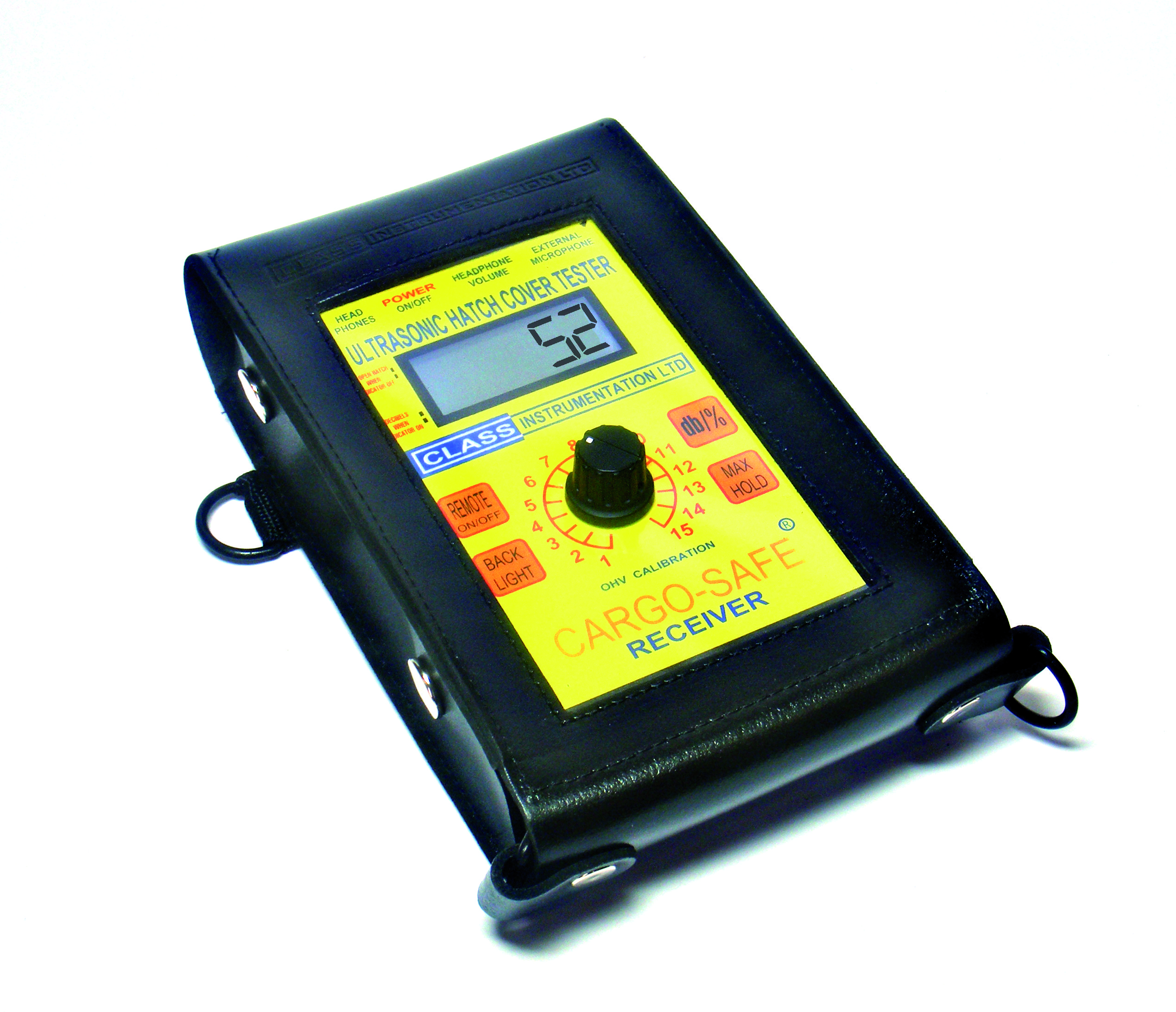
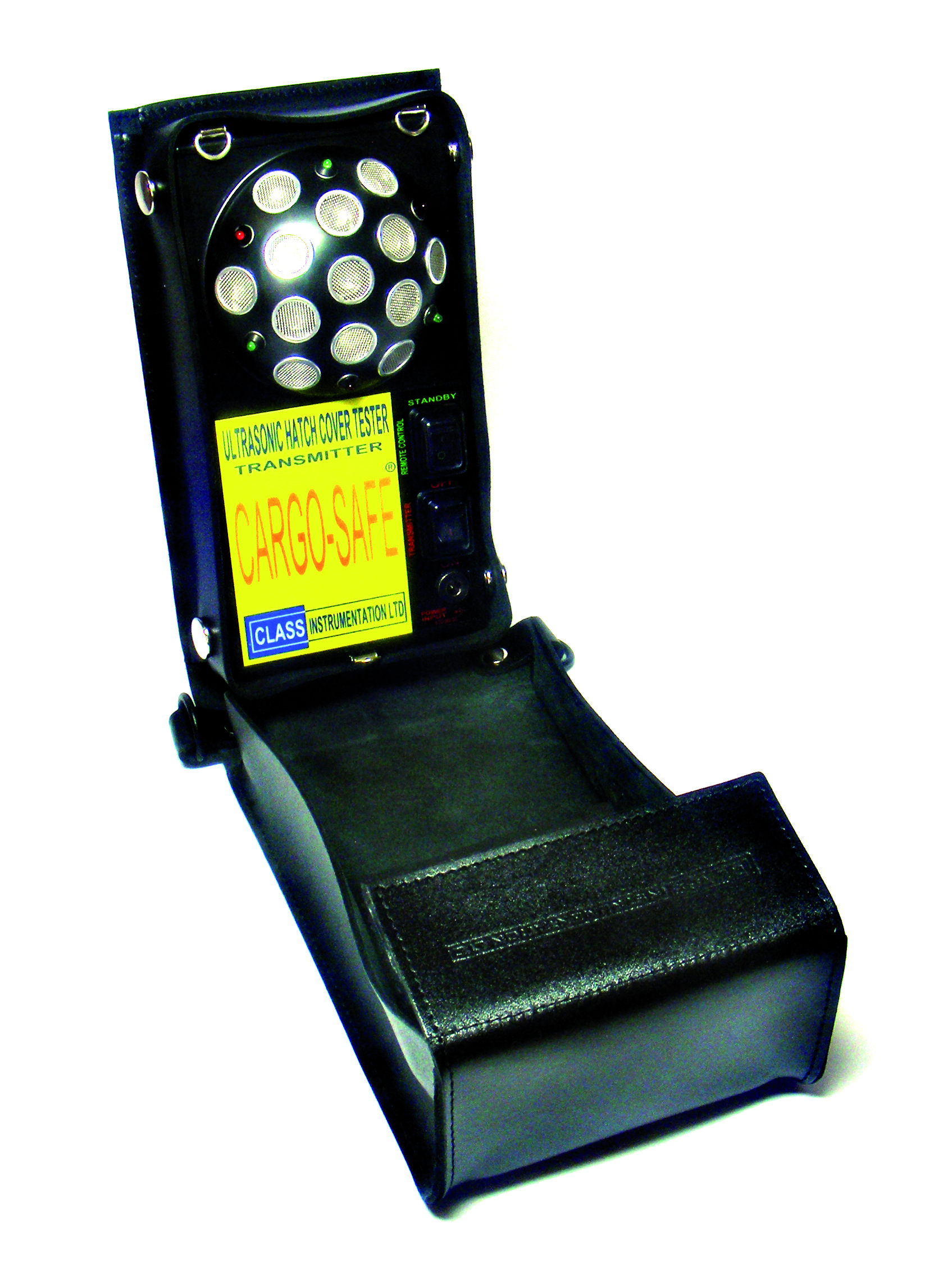
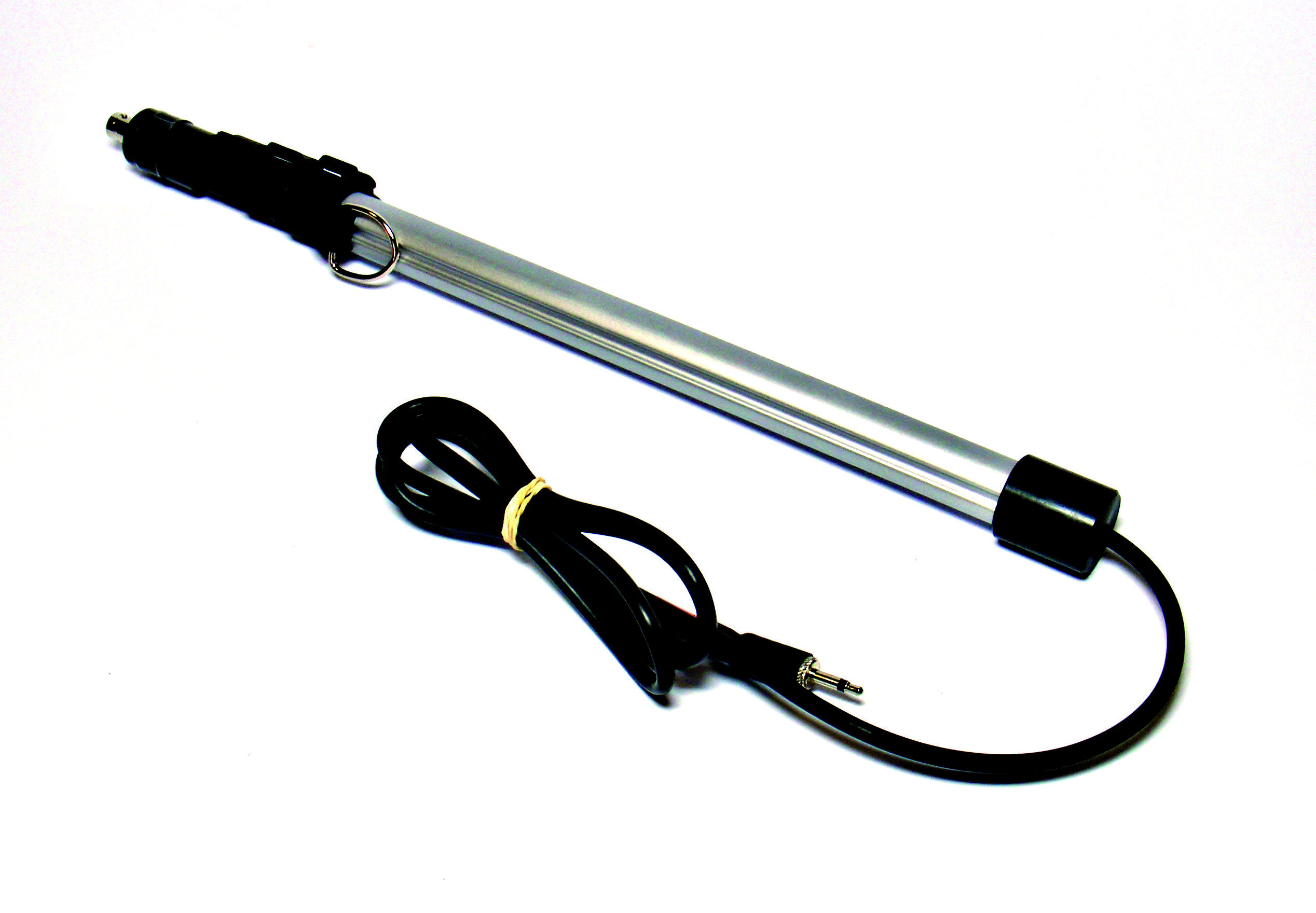
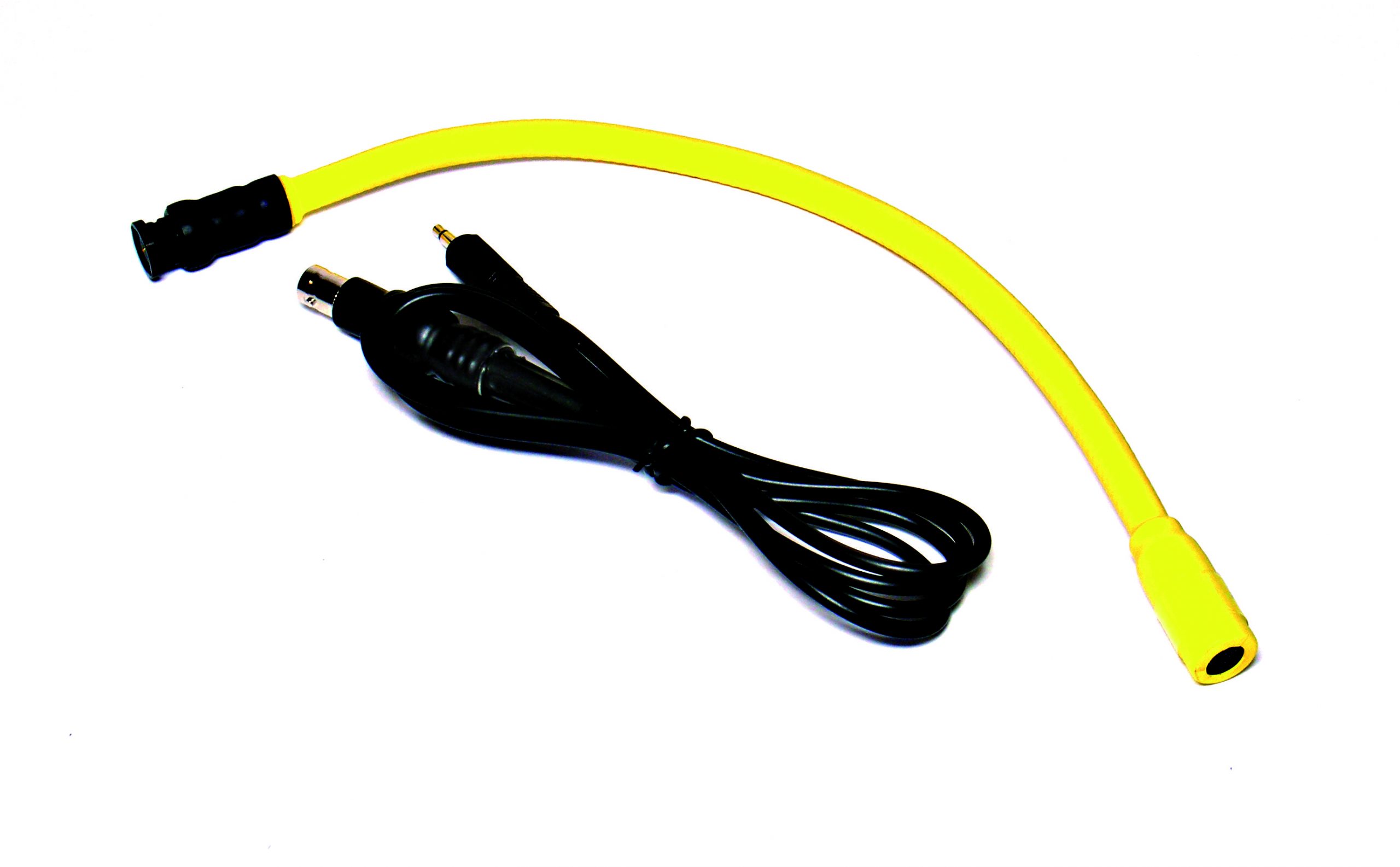
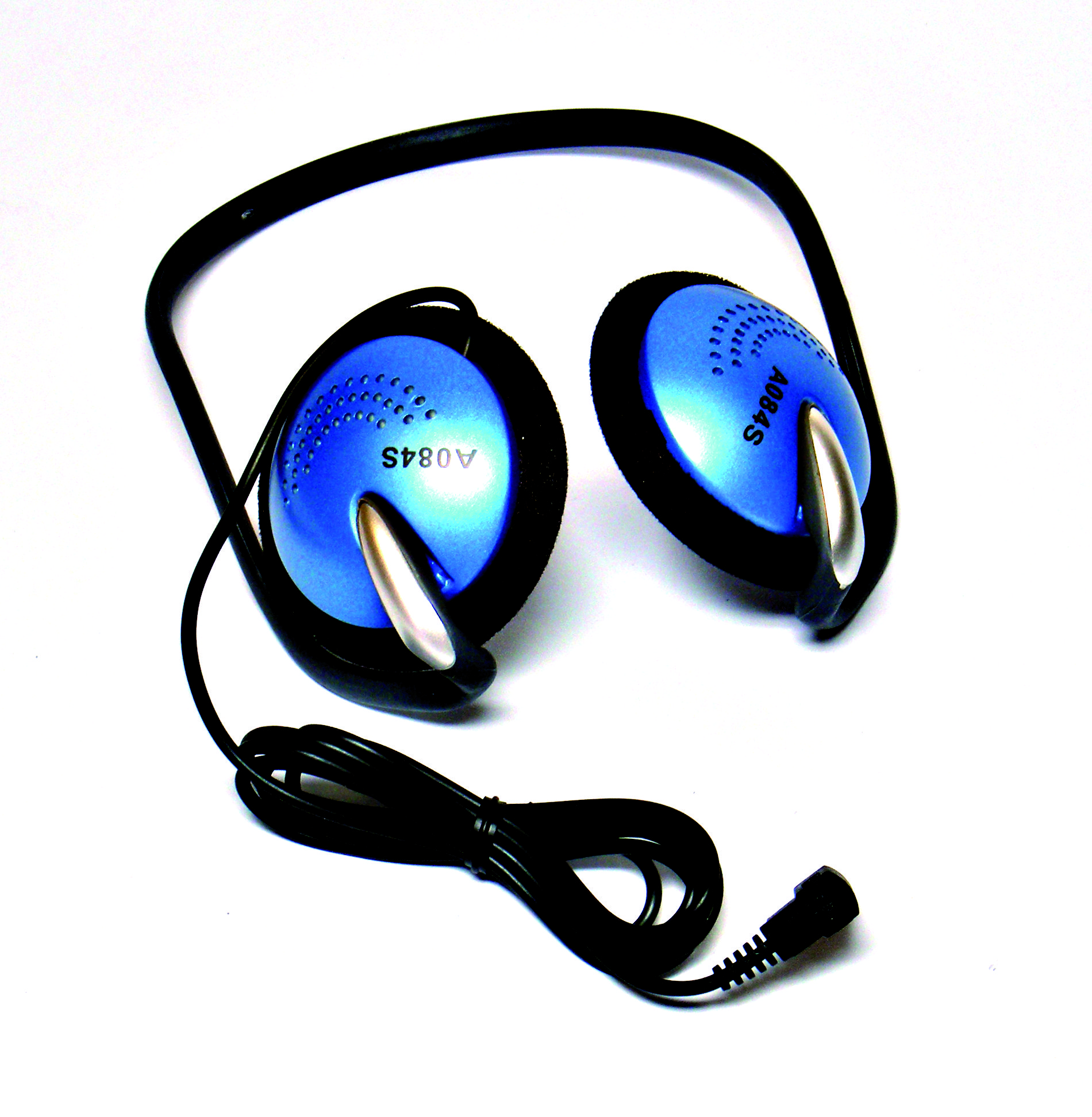
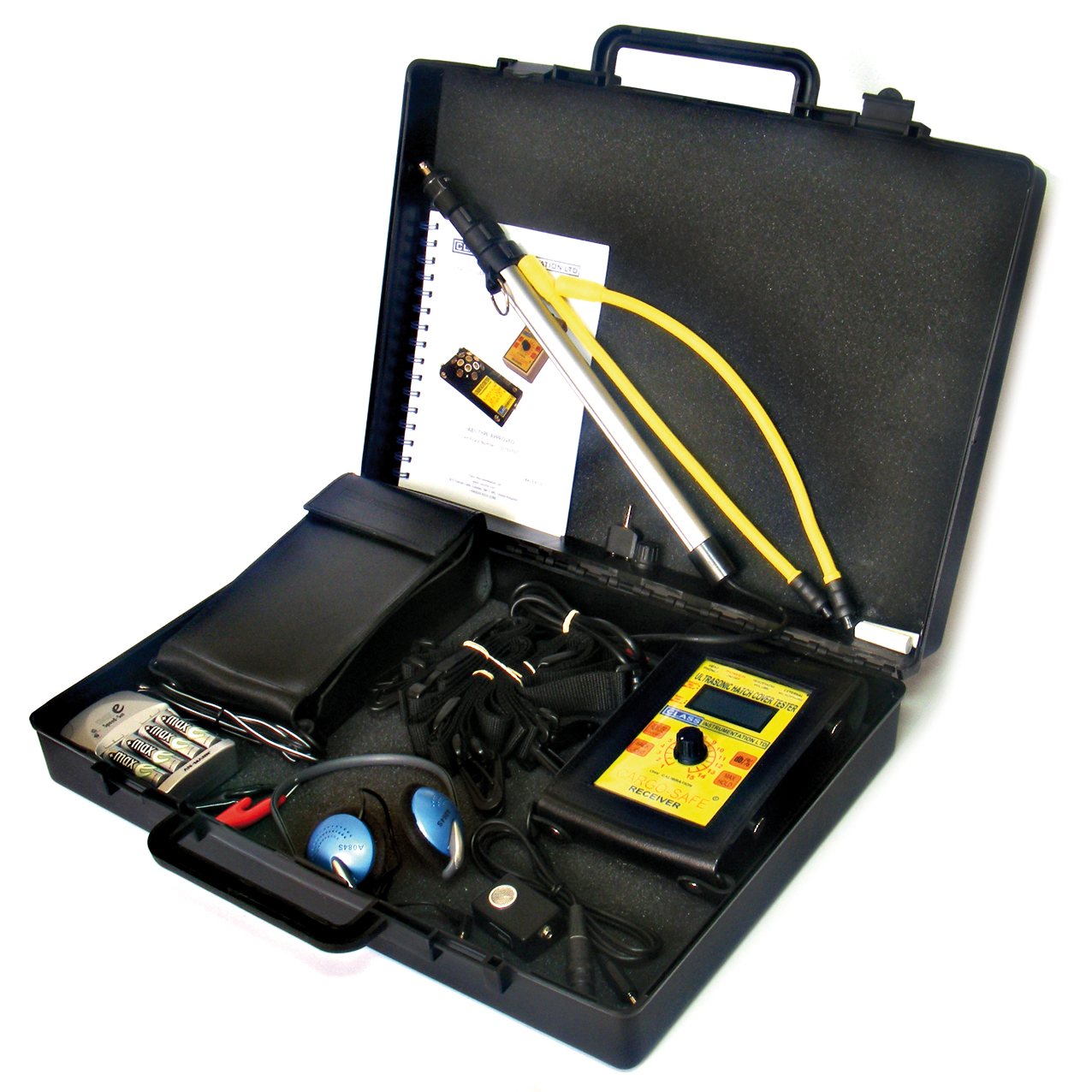
One kit. Three inspections.
The standard CARGO-SAFE™ transmitter is deliberately powerful — its 157 dB output is sized for the large volumes inside cargo holds. Doors and compartments are smaller, and that extra power can overwhelm a confined space. The PLUS solves this with its dedicated door-testing microphone lead, which gives the receiver a more controlled reading in tighter acoustic environments. You get the full power when you need it for holds, and a measured, precise response when you switch to doors — without swapping instruments.
The PLUS is designed for the surveyor whose day involves:
- Hatch cover weathertightness tests
- Watertight door inspections: engine room, bulkhead and compartment doors
- Weathertight door inspections: accommodation, wheelhouse and external access doors
One carry case covers all three, reducing kit, training and calibration overhead.
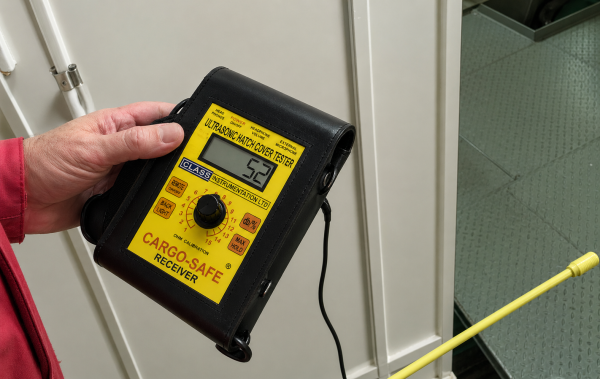
See the PLUS in use
The PLUS covers both door-testing and hatch-cover testing workflows. Door-testing mode follows the same principle as DOOR-SAFE™, while hatch-cover mode follows the standard CARGO-SAFE™ process shown below.
CARGO-SAFE PLUS™ — hatch-cover mode
CARGO-SAFE PLUS™ — for water-tight, weather-tight doors
To begin a Cargo-Safe Plus™ survey the transmitter unit is placed behind the door or hatch. In general the receiver unit should be on the side of the door that has better access to the seal to optimise the location of any leaks; therefore the transmitter is placed on the other side to this. The position of the transmitter should be such that the sound generated by the transmitter is spread evenly over the door. The transmitter can be hung using the straps on the leather case or the transmitter can be positioned using the magnets on the back of the unit, either to attach to a wall or steel plate. If there is no suitable place to attach or hang the transmitter, the magnets can be used with the tripod stand provided, see diagram below. When the magnets are used for placing, the transmitter must be removed from the leather case. The transmitter is placed approximately 5 meters ( 15ft ) from the door.
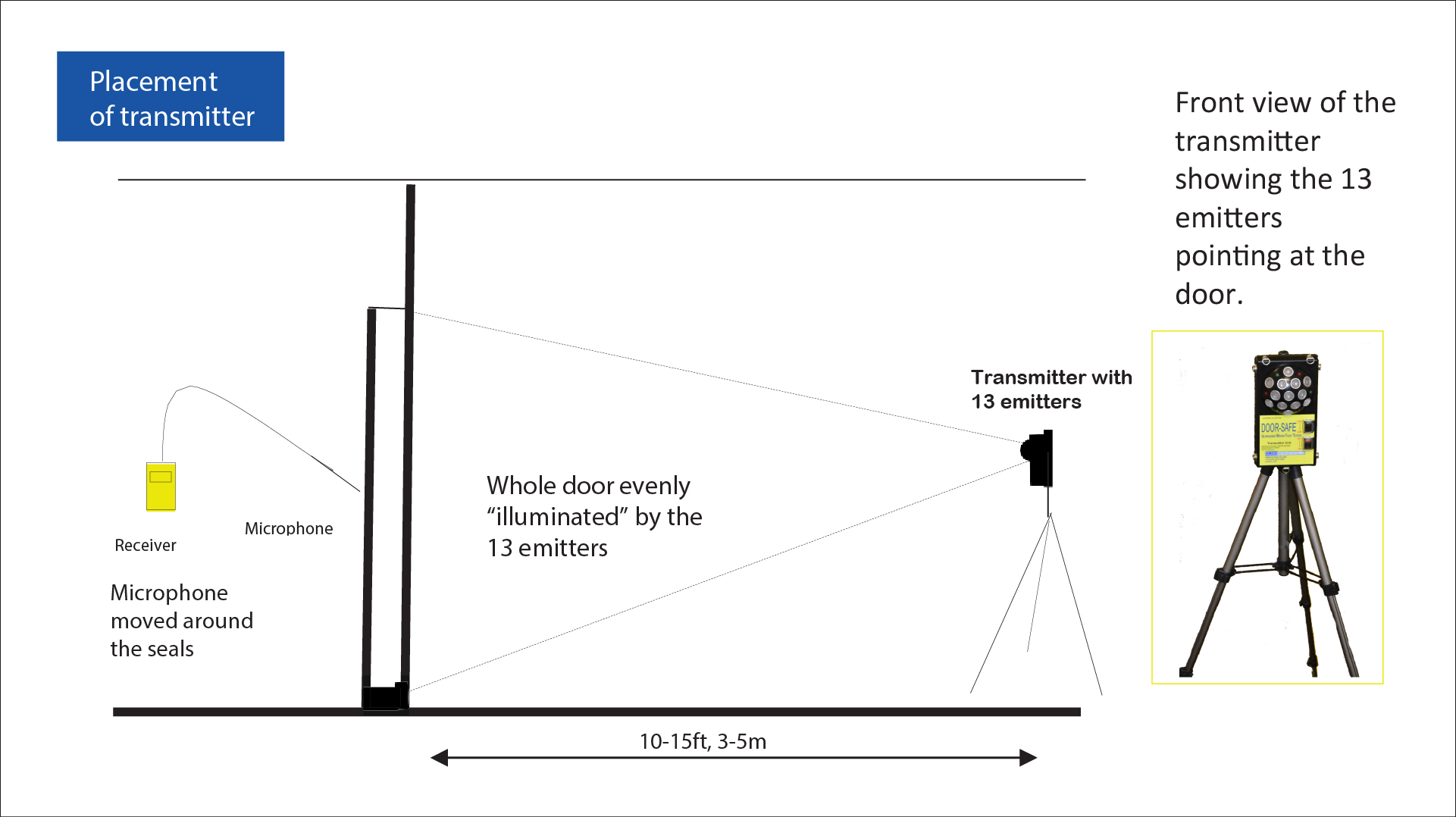
CARGO-SAFE PLUS™ — Door-test mode


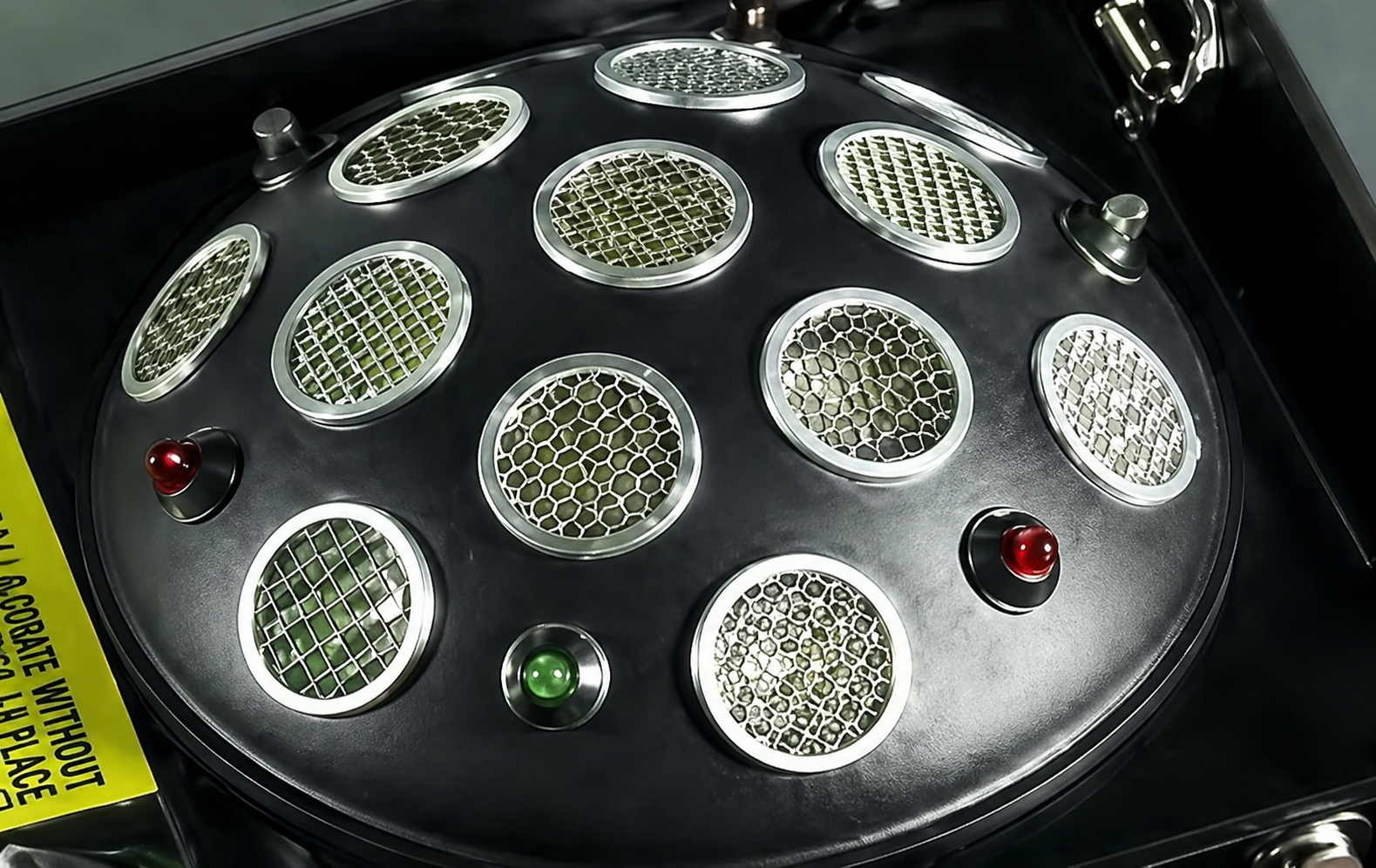
The CARGO-SAFE PLUS™ uses the principle of airborne ultrasonic transmission to identify gaps in hatch cover and door seals that water would otherwise find. A high-output ultrasonic transmitter is placed inside the sealed space — a cargo hold, or a compartment behind a watertight door — and fills that space with 40 kHz sound energy. Outside the space, a hand-held receiver equipped with a directional microphone scans the seal line. Wherever the seal is compromised — a perished gasket, a warped coaming, a distorted dog — ultrasound leaks through and registers on the receiver as an audible signal in the headphones and a visual decibel reading on the display.
The PLUS adds two configuration modes on top of this same principle:
- Hatch cover mode — transmitter placed on the deck of the hold; receiver swept along the coaming from outside.
- Door mode — transmitter positioned inside the sealed compartment on the supplied tripod, or magnetically attached to a bulkhead adjacent to the door. The dedicated door-testing microphone lead connects to the receiver for a more controlled reading in the smaller acoustic volume.
Both modes use the same ABS Type Approved instrument; only the positioning and the microphone configuration change.
Two workflows, one kit.
Hatch cover testing
- Open the carry case and check charge on the receiver and transmitter.
- Place the transmitter inside the empty cargo hold, at a central position where the ultrasound will distribute evenly.
- Switch the transmitter on and close the hatch covers as they would be during a loaded voyage.
- Working along the deck, scan the receiver along the coaming seal, listening through headphones and watching the dB reading.
- Mark any point where the signal spikes — this is a potential leak path.
- Once the full perimeter is scanned, repeat on the opposite edge to confirm readings.
- Power down and repack.
Watertight and weathertight door testing
- Open the carry case and extract the tripod, adapter plate and door-testing microphone lead alongside the standard receiver and transmitter.
- Position the tripod inside the compartment behind the door under test. Fit the adapter plate to the tripod head.
- Mount the magnetic transmitter onto the adapter plate — the built-in magnets hold it securely. Alternatively, mount the transmitter on a steel bulkhead near, but not attached to, the door frame.
- Switch the transmitter on and close the door as it would be secured at sea, with all dogs engaged.
- Connect the door-testing microphone lead to the receiver for a measured response in the smaller space.
- From outside the door, scan the microphone probe slowly around the seal perimeter — around the frame, dogs, hinges and any threshold.
- Note and mark any leak signatures.
- Power down and return all components to the case.
A single door can typically be tested in under ten minutes once access is established; a hatch cover in a similar timeframe.
Ultrasonic Testing, or UT, is a non-destructive inspection method that uses high-frequency sound — typically above the range of human hearing, at around 40 kHz — to locate defects or gaps in a sealed structure. In marine tightness applications the principle is simple: sound energy, like water, will find any opening that exists. By filling a sealed space with ultrasound and scanning the outer seal with a directional microphone, a surveyor can map leak paths without pouring a single litre of water.
UT testing has four practical advantages over traditional hose testing:
- One-person operation. A single surveyor can run the entire test — set the transmitter, close up, and walk the receiver round the seal. No second pair of hands required, no second day rate.
- No water used. Nothing to collect, dispose of, or run off the deck into port waters.
- Works in freezing conditions. Sub-zero temperatures stop hose testing cold; ultrasound does not.
- Faster and cleaner. A vessel can be covered in a fraction of the time a hose test takes, with no wet cargo, no wet decks and no turnaround delay.
UT testing is accepted by all major classification societies and by the IACS for hatch cover tightness inspections, and is routinely used by P&I clubs, flag state inspectors and port state control surveyors.
The PLUS is built for surveyors who attend a vessel and need to cover more than one inspection scope in a single visit. In hatch-cover mode it performs every test the original CARGO-SAFE™ does — and in door mode it extends seamlessly to watertight and weathertight closures.
Hatch covers and access openings
- Main cargo hatch covers of any size, including on capesize bulkers and ore carriers
- Bow visors and bow doors
- Stern doors and ramps
- Side loading doors
- Tween deck hatches
Watertight and weathertight doors
- Accommodation entrance doors
- Wheelhouse and bridge-wing access doors
- Engine room watertight doors
- Bulkhead doors between compartments
- Emergency exit doors and escape hatches
If it is a hatch, door or seal and it needs to stay weathertight or watertight, the PLUS can test it.
What is in the case
- Ultrasonic receiver with digital dB display and headphone output
- 157 dB ultrasonic transmitter, ABS Type Approved
- Transmitter internal magnets, for hands-free mounting on steel surfaces or on the adapter plate
- Standard receiver probe for hatch cover testing
- Door-testing microphone lead for controlled readings in confined spaces
- Tripod, collapsible and height-adjustable (PLUS-only)
- Adapter plate for the tripod head, magnet-compatible (PLUS-only)
- Closed-back headphones
- High-quality rechargeable AA batteries for the receiver and transmitter
- AA battery charger
- Stormproof carry case
- Full set of leads and accessories
Key capabilities
- ABS Type Approved ultrasonic tester
- A single kit that covers hatch cover, watertight door and weathertight door inspections
- 157 dB transmitter output for reliable penetration in large cargo holds
- Precision door mode via the dedicated microphone lead for smaller spaces
- One-person operation — no second surveyor required
- IP66 environmental rating — stormproof and deck-ready
- Operates in sub-zero temperatures
- Powered by rechargeable AA batteries with charger included — no proprietary battery packs to source overseas
- 3-year warranty on receiver and transmitter
- 6-month warranty on accessories
- Free lifetime technical support by phone and email
Class Instrumentation Limited is the only manufacturer in the sector that recalibrates its ultrasonic testers on a five-year cycle — not annually, not every two years, but every five. The CARGO-SAFE PLUS™ is engineered to hold its accuracy across that cycle, so your surveyors are not repeatedly losing the instrument to the calibration bench.
Routine care between jobs
- Wipe the receiver and transmitter down after each attendance; salt residue is the main enemy.
- Keep the tripod clean and occasionally lubricate the locking collars.
- Charge the receiver and transmitter fully before each job.
- Store the unit in its carry case, closed and latched, between uses.
Scheduled recalibration
The full recalibration service is carried out in-house at our UK facility. We collect the unit, recalibrate, reissue the ABS-compliant certificate, and return the unit in its carry case. Customers receive a courtesy reminder when the five-year window is approaching.
The PLUS accessories — tripod, adapter plate, headphones, leads — do not require recalibration. Individual spares are available if any accessory is damaged.
The CARGO-SAFE PLUS™ is covered by the same ABS Type Approval as the standard CARGO-SAFE™, because the core instrument — receiver and transmitter — is identical. The additional PLUS components — tripod, adapter plate and door-testing microphone lead — are accessory items that configure the instrument for a wider range of inspections; they do not alter the approved measurement method.
Each PLUS unit is supplied with:
- ABS Type Approval certificate
- Calibration certificate at date of dispatch
- Declaration of conformity
- Three-year manufacturer warranty documentation
The instrument also complies with the tightness-testing guidance issued by the major classification societies for the inspection of hatch covers and watertight closures.
The core instrument is identical to the standard CARGO-SAFE™; only the PLUS-only accessory items are additional.
Transmitter
- Output: 157 dB
- Operating frequency: 40 kHz ultrasonic
- Mounting: internal magnets for attachment to the adapter plate or steel bulkheads
- Power: high-quality rechargeable AA batteries supplied, charger included
- Environmental protection: IP66
Receiver
- Digital dB display
- Headphone output
- Standard hatch-cover probe input
- PLUS-only: door-testing microphone lead input
- Power: high-quality rechargeable AA batteries supplied, charger included
- Environmental protection: IP66
Tripod (PLUS-only)
- Collapsible, height-adjustable
- Material: [Ken to confirm — aluminium or carbon]
- Maximum working height: [Ken to confirm]
- Packed length: [Ken to confirm]
Adapter plate (PLUS-only)
- Steel construction, compatible with transmitter magnets
- Fits standard tripod head
Door-testing microphone lead (PLUS-only)
- Length: [Ken to confirm]
- Connector: compatible with receiver probe input
Kit weight and dimensions
- Full PLUS kit, case and all components: [Ken to confirm]
Environmental
- Operating temperature range: down to sub-zero
- IP rating: IP66
- Stormproof carry case
- ABS Type Approved
- Designed and manufactured in Great Britain
- ISO 9001-certified manufacturer
- Trusted by marine surveyors, P&I clubs and classification societies worldwide